From Oil Fields to Firestorms: Has the Gulf Just Crossed the Point of No Return?
Iran’s massive strike on US-linked targets in Saudi Arabia signals a dangerous Gulf escalation, as India urges restraint amid rising global tensions.
GEO-POLITICS
Bureau News, Hype Headlines
4/2/20262 min read



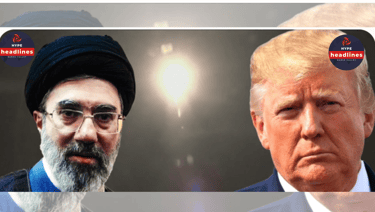
In what is being described as one of the most audacious escalations in recent Middle Eastern history, Islamic Revolutionary Guard Corps has claimed responsibility for a large-scale strike targeting United States military-linked infrastructure in Saudi Arabia. The assertion that residences of nearly 200 American pilots and aircrew were bombed marks a chilling shift in the theatre of conflict, moving beyond conventional bases into what appears to be personal quarters.
According to statements attributed to Brigadier General Seyed Majid Mousavi, the offensive did not stop there. Reports indicate the destruction of a US AWACS surveillance aircraft and damage to multiple fighter jets. If verified, the incident would represent not just a symbolic retaliation but a significant tactical blow to American aerial surveillance and response capabilities in the Gulf.
This escalation comes in direct retaliation to earlier coordinated strikes involving the United States and Israel against Iranian targets. What we are witnessing is no longer a shadow conflict fought through proxies. It is fast evolving into a direct and dangerously overt confrontation between state actors.
The aftermath paints a picture of disruption and urgency. American personnel reportedly relocating from established bases into hotels and office complexes across the region signals both the scale of the perceived threat and the vulnerability of even the most fortified positions. The Gulf, historically a hub of geopolitical tension, now seems to be on the brink of a broader military escalation.
India’s Calculated Silence or Strategic Balance?
Amid this escalating crisis, India has adopted a cautious and measured stance. While there has been no outright condemnation or endorsement of either side, official responses have emphasised restraint, de-escalation, and the need for diplomatic engagement. India’s position is deeply rooted in its strategic interests in the region, including energy security, trade routes, and the safety of millions of Indian expatriates living across Gulf nations.
New Delhi’s tightrope walk reflects a broader foreign policy doctrine. Maintain strong ties with the United States while preserving historically significant relations with Iran. Any overt alignment risks jeopardising critical interests on either side. Hence, silence in tone but sharpness in intent.
The Bigger Question
Is this the beginning of a broader regional war or a calculated show of force meant to reset deterrence equations?
The answer may lie not just in Tehran or Washington but in how global powers choose to respond next. One miscalculation could turn targeted strikes into a full-blown conflict with global economic and political consequences.
At Hype Headlines, we ask the uncomfortable questions others avoid. Stay informed, stay sharp, and if you think this is just another headline, think again.
📢 Follow, Like, and Share Hype Headlines for more unfiltered, sharp-edged editorials that cut through the noise.